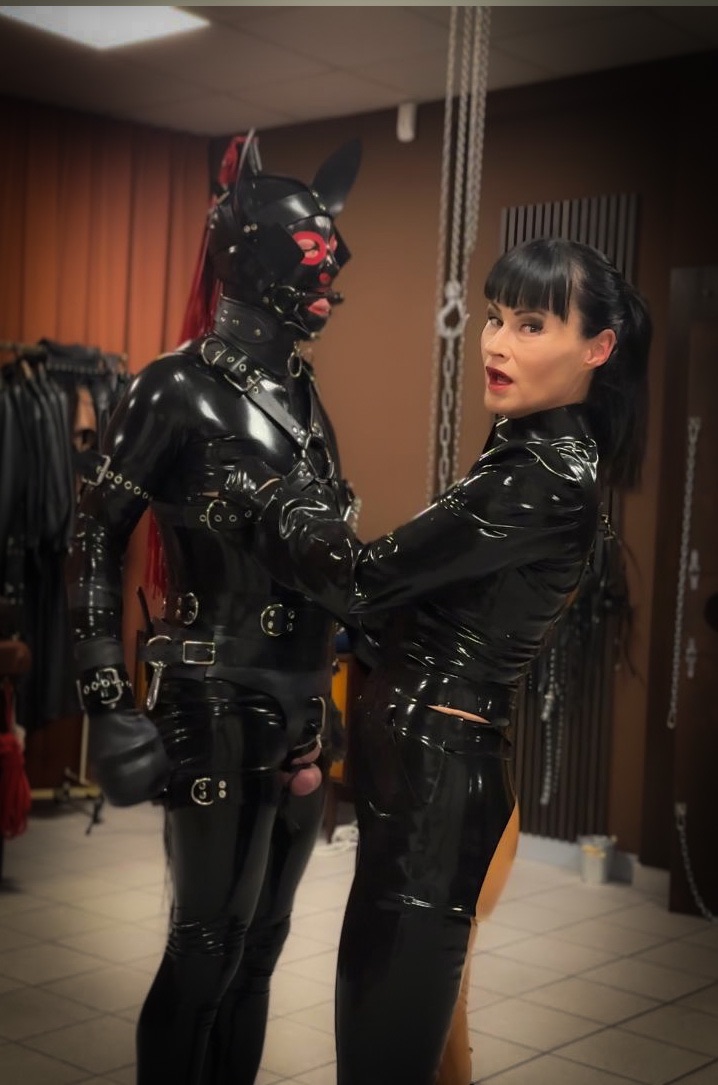
Pony training in rubber – control, discipline, and devotion
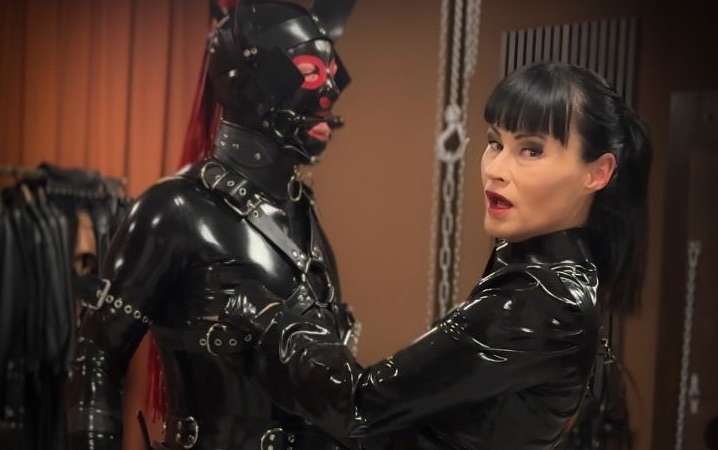
Training a pony does not begin with exercise, but with posture. Even before the pony takes its first steps in training, it is wrapped in its rubber suit—a second skin that not only shapes the body, but also prepares the mind. The smooth material reminds the pony that it now has a role to play: obedient, attentive, and ready to learn.
Rubber amplifies every sensation. Every movement of the body becomes more conscious, every breath sounds louder inside the suit. It is precisely this intensity that makes it a perfect element for pony training. The pony immediately senses that it is in a controlled environment where discipline and leadership are important.
The first step is always to stand still. A good pony learns patience first. Shoulders back, back straight, gaze down or forward – depending on the trainer's instructions. This is where it becomes clear whether the pony is ready to listen. Small corrections, a clear voice or a slight signal are often enough to shape its behavior.
This is followed by leading on a leash. Step by step, the pony moves through the room. In the rubber, every movement becomes more precise. The steps should be even, controlled, almost elegant. A pony quickly learns that hecticness or restlessness are not desirable. Instead, rhythm is what counts: step, pause, step.
Paying attention to the trainer is particularly important. A well-trained pony responds to small signals—a movement of the hand, a quiet command, or a gentle tug on the lead rope. This communication is part of the training. It builds trust and establishes a clear hierarchy.
Rubber plays a special role in this. The material reinforces the feeling of control and structure. For many ponies, it becomes a ritual: as soon as the suit is closed, training time begins. Thoughts of everyday life disappear, and concentration is focused solely on the task at hand.
Over time, simple training develops into a kind of dance between leadership and obedience. The pony becomes more confident, moves more fluidly, and understands expectations better and better. Each training session builds on the previous one.
Ultimately, pony training is not just about movement or equipment. It is about discipline, trust, and dedication. A pony that understands these three things will not only follow—it will be proud to be led.